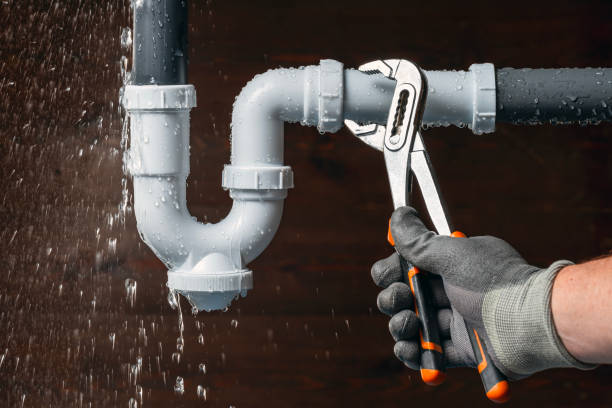
A pipe usually fails inside a wall cavity, which means the visible damage is only a fraction of what's actually happening behind the drywall.
We open the wall cavity carefully, only as far as moisture readings say is necessary, rather than tearing out an entire wall.

Stopping the water source is priority one before any extraction begins.
We use pressure testing and moisture tracing to locate exactly where a supply line failed inside the wall.
We open wall cavities in a controlled, targeted way based on documented moisture data.
We coordinate directly with a licensed plumber for the actual pipe repair once our mitigation work is done.
Below is what happens on a typical Burst Pipe Water Damage call in Rutledge, GA.

We locate and confirm the shutoff valve is closed the moment the crew arrives.
Pressure testing and moisture tracing help pinpoint exactly where the line failed.
Wall cavity extraction addresses moisture a surface-level approach would miss.
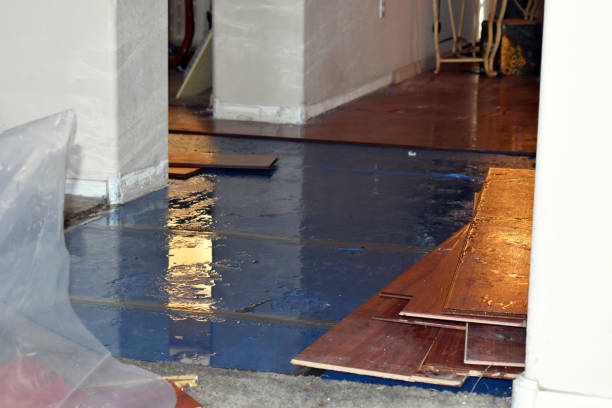
We remove only the insulation and drywall sections that moisture readings confirm are compromised.
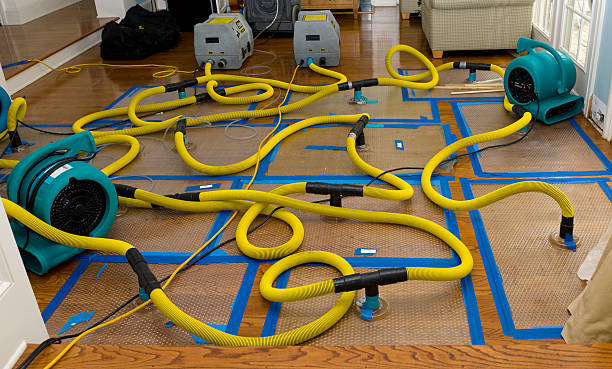
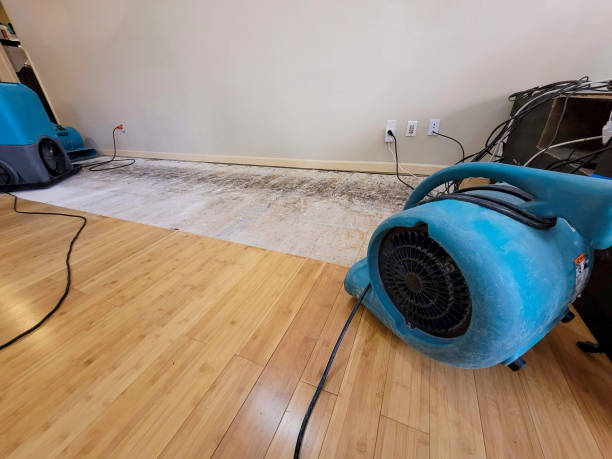
Specialized drying equipment reaches into open wall cavities to dry framing and remaining materials.
We coordinate scheduling with a licensed plumber for the pipe repair itself.
A quick call helps us prioritize the dispatch appropriately.
Equipment for wall cavity work is brought along by default for burst pipe calls.
A pressure and moisture assessment comes before any wall opening.
Final sign-off includes verified dry readings and a repair handoff.

"They found our shutoff valve in about thirty seconds since we had no idea it existed, then got straight to work on the wall." — Holly T.
"Only opened up the section of wall that was actually wet instead of the whole thing. Saved us a lot on drywall repair." — Andre L.
"They coordinated directly with our plumber so the pipe got fixed the same week the wall was already open." — Priscilla W.
A burst pipe usually produces a sudden, active flow, often with a wall or ceiling stain appearing quickly.
No, we remove drywall only at the confirmed wet line based on moisture readings.
We can refer a plumber or work alongside yours to keep the timeline aligned.
Avoid the area near standing water and electrical outlets until our technician confirms it's safe.
Wall cavity drying typically takes 3-5 days depending on how much insulation and framing was affected.
Rutledge sits within our core burst pipe response zone.

Call now and we'll help you locate the shutoff valve over the phone if needed.
Call +1-844-578-1604